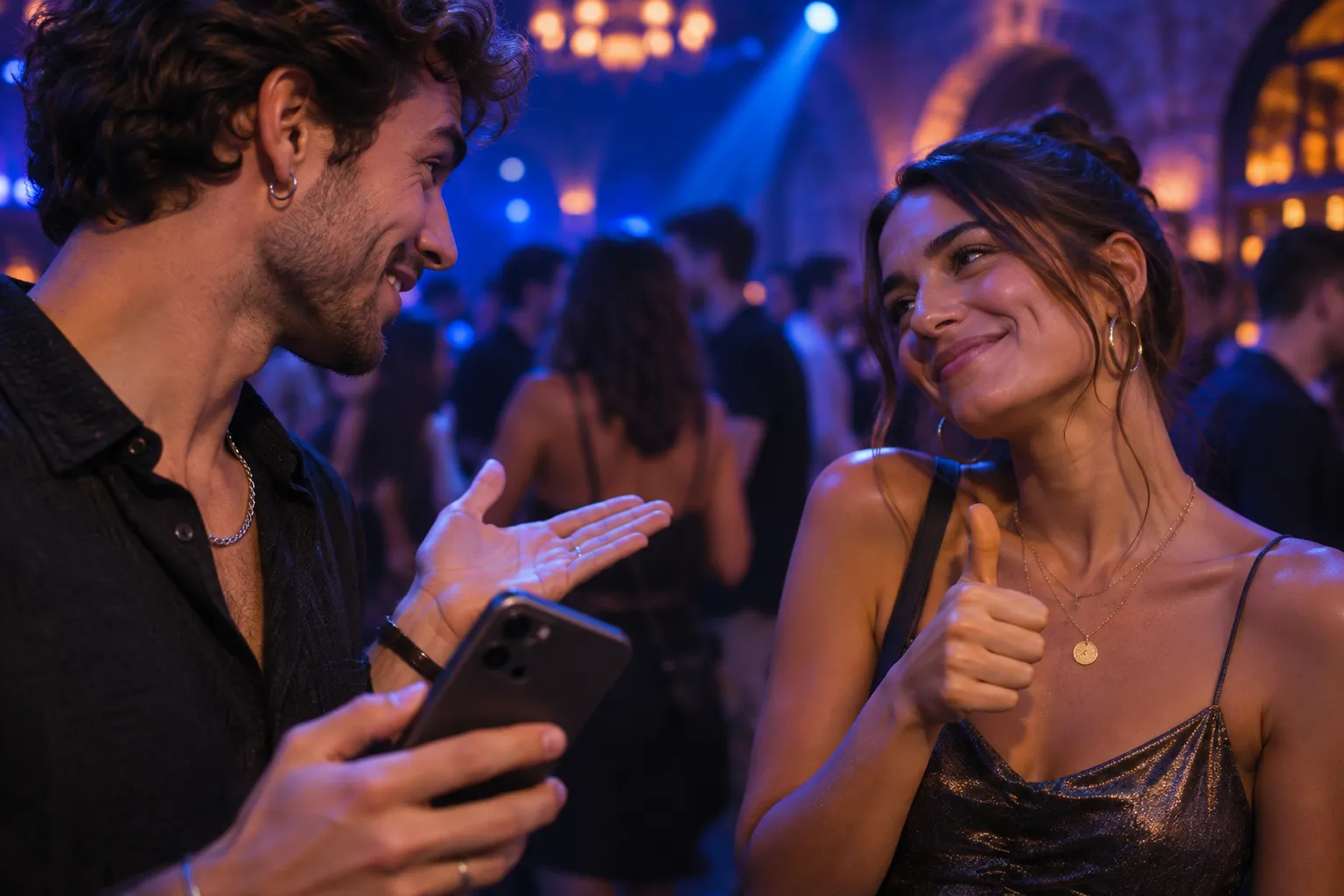
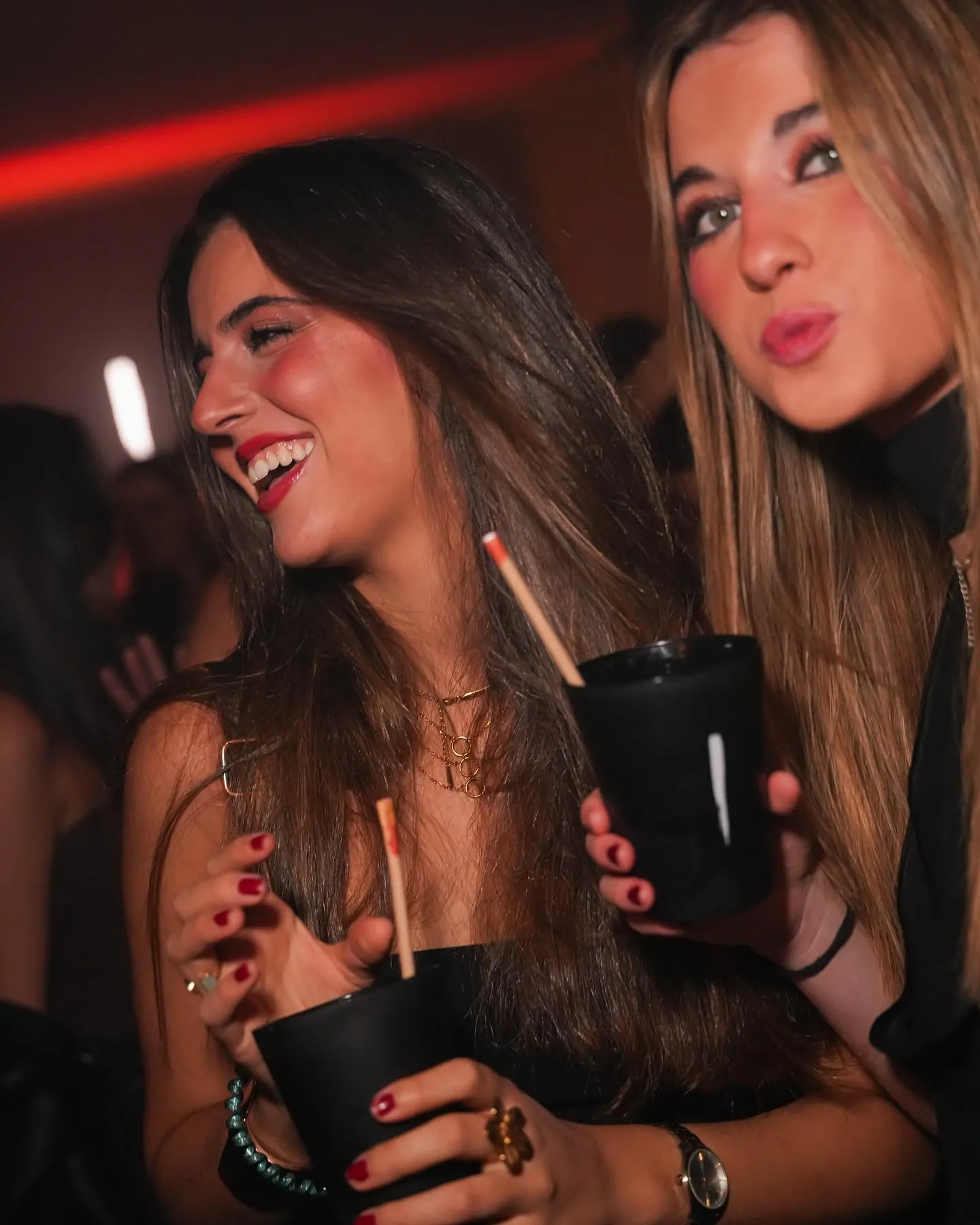
Photos and videos in nightclubs: privacy, consent and what to check
A group photo can be a great reminder of the night; a video posted without warning can become something another person never wanted to share. A nightclub brings together friends, strangers, performers and staff, and not everyone wants to appear in a Story or reel. Before reaching for your phone, think about what is in frame, who can be recognised and where the post may end up.
This guide offers a simple way to film considerately: check the venue’s rules, ask identifiable people and review the frame before posting. It is not legal advice or a list of clubs that allow filming; each venue and situation may have different conditions.
Some venues restrict cameras, flash or recording during particular performances; others may allow personal phone photos while limiting professional equipment. Do not infer the policy from seeing other people film. Check the entry terms and the venue’s official website or channels for that event, and ask staff if anything is unclear.
Follow staff instructions even if you only want a keepsake. A rule about filming inside the venue is separate from permission from the people in your shot: meeting one requirement does not replace the other. If you are creating content for a brand, client or campaign, contact the venue in advance and explain the intended use and equipment.
Ask before pointing the camera at someone
For a group photo, ask everyone who will appear and wait for a clear answer before taking it. If someone hesitates, lower the camera or take another shot without them. Do not point your phone at strangers on the dance floor, in a private area or during an intimate moment: being in a venue open to the public does not mean they want to become the subject of your post.
Sound matters too. A video can capture a conversation you did not mean to record. Frame your own group, lower the phone between takes and avoid recording other people’s conversations. Flash may bother guests or staff, so check first and use the available light instead of insisting.
Treat recording and sharing as separate decisions
Agreeing to be photographed does not necessarily mean someone wants to appear on a public account, in a tagged video or in a commercial post. Before sharing, show the people who can be recognised the clip and ask whether they are comfortable with that version and channel. A yes to the group chat is not automatically a yes to a public Story or sponsored collaboration.
Do not post images that mock someone, expose an argument or show a person in a vulnerable moment. Ask before tagging people and avoid adding details that reveal where they live, work or who they went out with. If someone changes their mind, listen and take the post down where you can.
Check the background, location and timing
Review the whole image before posting, not only the person posing. Other faces may be visible behind them, in a mirror, or identified by a wristband, screen or ticket. Crop, blur or retake the image with a tighter frame. Do not share pictures of children you do not know or details that could put them on display.
A live Story can reveal which venue you are at and that you are still there. If location adds nothing, turn off the location tag and consider posting the next day. Check who can see your account and whether the post is public: privacy settings can limit reach, but they cannot stop someone taking a screenshot or forwarding it.
If someone posts an image of you without checking
If a photo or video makes you uncomfortable, you can ask the person who posted it to remove it or crop you out. Make the request directly and keep the post link or a screenshot if you may need to identify it later. The Spanish Data Protection Agency recommends contacting the person responsible first and using the platform’s reporting tools; the options depend on who posted it and the circumstances.
If sexual or violent content is being shared in a way that puts you at serious risk, the AEPD has a priority channel for certain cases. Do not respond by posting material about the other person. If there is an immediate threat, contact the authorities. This guide cannot determine whether a specific image is lawful.
A ten-second check before you post
Does the venue allow this kind of photo or video, and have I followed staff instructions?
Do identifiable people know I am recording them?
Have they agreed to this post and this channel?
Are other people, children, conversations, tickets or location details visible?
Could the post embarrass or harm someone in the frame?
Could I crop it, post later or simply put my phone away?
If you cannot answer one of these comfortably, do not post that take. A tighter frame, a photo of your own group or enjoying the moment without recording usually solves the problem without turning the night into a content shoot.
Sources and scope
In Spain, image rights and privacy depend on the law and the circumstances. Organic Law 1/1982 sets out situations that may constitute unlawful interference as well as specific exceptions. The AEPD also distinguishes personal or household social-media use from other forms of distribution. A general guide cannot provide a simple rule for every case.
Check current rules and guidance if you need to deal with a specific situation.
Frequently asked questions
Can I film in any nightclub?
There is no universal answer: rules depend on the venue and event. Check the official terms and follow staff instructions.
Does posing for a photo mean I can post it?
Not necessarily. Ask whether the person is comfortable with that image being shared on that specific channel, especially for a public or promotional post.
Planning a night out with friends?
We can help with nightlife bookings. Check photo rules with the venue and get permission from the people who appear.